
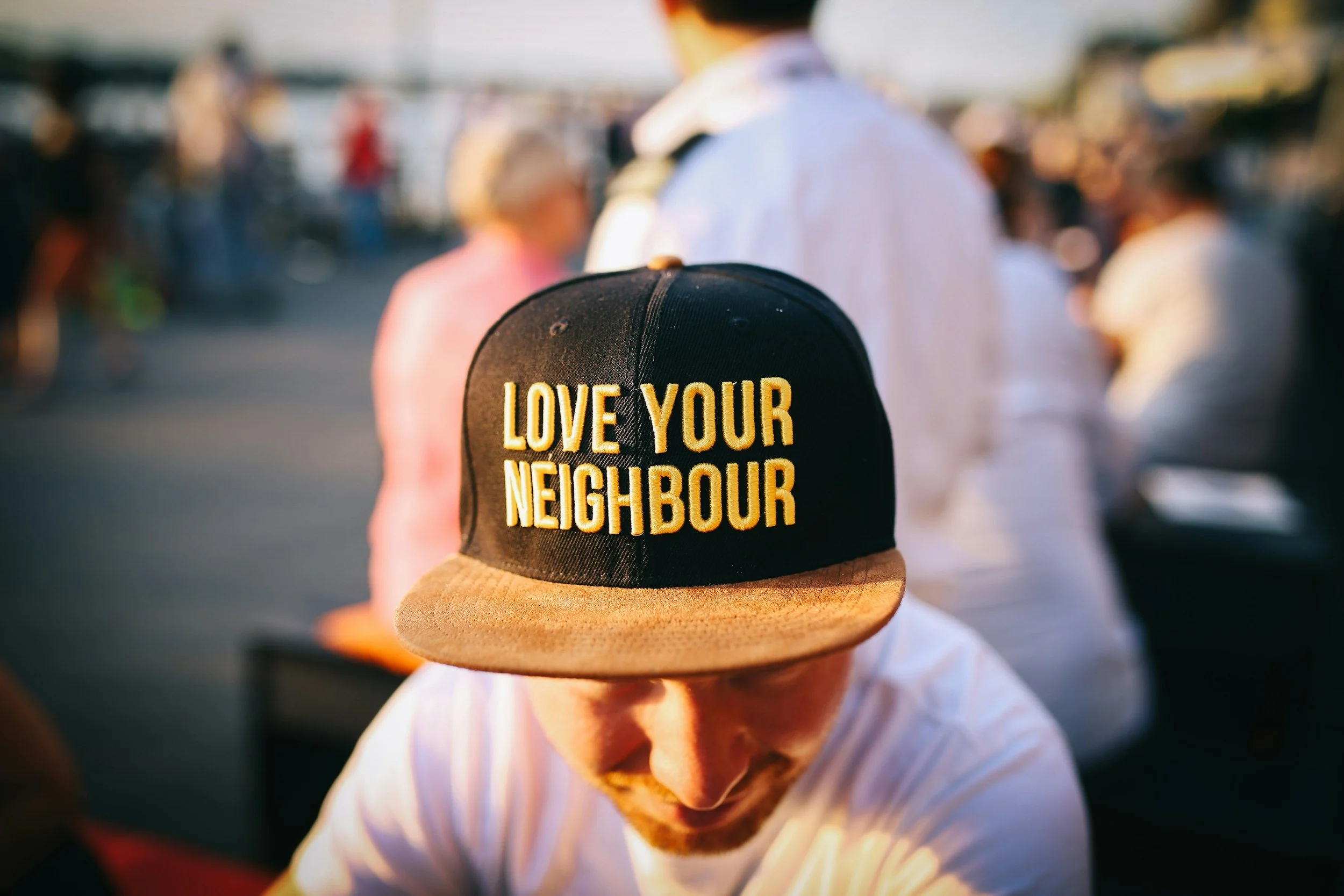
from unsplash @ninastrehl
I regularly go into the local primary schools with a team to act out Bible stories in school assemblies. This week we sang the familiar school assembly song, “when I needed a neighbour, were you there, where you there?”
Once we reached the line about being “cold and naked” something snapped inside me. In my head I saw images of flooded tents in Gaza and my heart broke.
I deeply regretted the times as a child when I might have tittered over the word “naked”, most of us have done it, if we are honest.
As children we laugh because “naked” sounds rude. Even some adults think the word is misplaced in a religious song, somehow not proper.
Being naked is being stripped, maybe not just of clothes but of dignity and worth. There are people in this world who are not treated as humans, because they live on the other side of the fence, they are different from us, with the wrong colour skin or beliefs. They live in a land where the leaders start wars and aggression, and somehow, because of that, we are allowed, maybe some would say, even expected to treat them appallingly – it’s guilt by association.
We might live in a democracy but that doesn’t mean the rulers we have always speak or act in our name. This applies wherever we live. You cannot condemn a whole nationality because their leadership is insane, unhinged, unjust or cruel.
Perhaps I am being vague about which country I am talking about, but the more I think about it, it applies across the board.
Underneath, when we are actually naked, stripped to our core, we are all the same. We all want a better life for our children, food to eat and a roof over our heads. We want to fulfil our potential and have a sustainable future.
The story we acted out in the assembly was of course the story of the Good Samaritan. We read the version from the book Stories Jesus Told by Mick Inkpen and Nick Butterworth. The title in the book is actually the Good Stranger and at the end we asked the kids to tell us who was a good neighbour to the man beaten up in the road?
They all agreed it was the stranger who stopped and helped rather than the bishop and judge who hurried by. The stranger who looked different and spoke a different language. The children understood, so what makes us grow up in to adults who make excuses and call these actions political?
I felt especially humbled because I acted out that part of the person who stopped and administered aid, after originally being one of the robbers who stole the man’s donkey – perhaps there is hope that all of us can change if we start seeing all people as human beings deserving of our love and care.
The question then is not who is a good neighbour but how can we put our kindness into action?